A Quick Dive into Biotech M&A Rollercoasters
Markets are jittery. One day, biotech stocks rally; the next, they plummet on policy whispers. This uncertainty often stalls deals—buyers hesitate, sellers hold firm. Yet, with the right framework, you can tame that chaos. In fact, biotech dealmaking strategies powered by AI can turn volatility into advantage. Biotech dealmaking strategies powered by BrandlaunchX: Bridging Science and Market Success for Life-Saving Therapies
In this article, we’ll unpack why data beats hunches in M&A. You’ll discover how AI-driven insights keep you one step ahead of market swings. And by the end, you’ll have a roadmap to execute confident, data-backed acquisitions—even when everyone else is hitting pause.
Understanding Market Volatility in Biotech M&A
The Current Climate
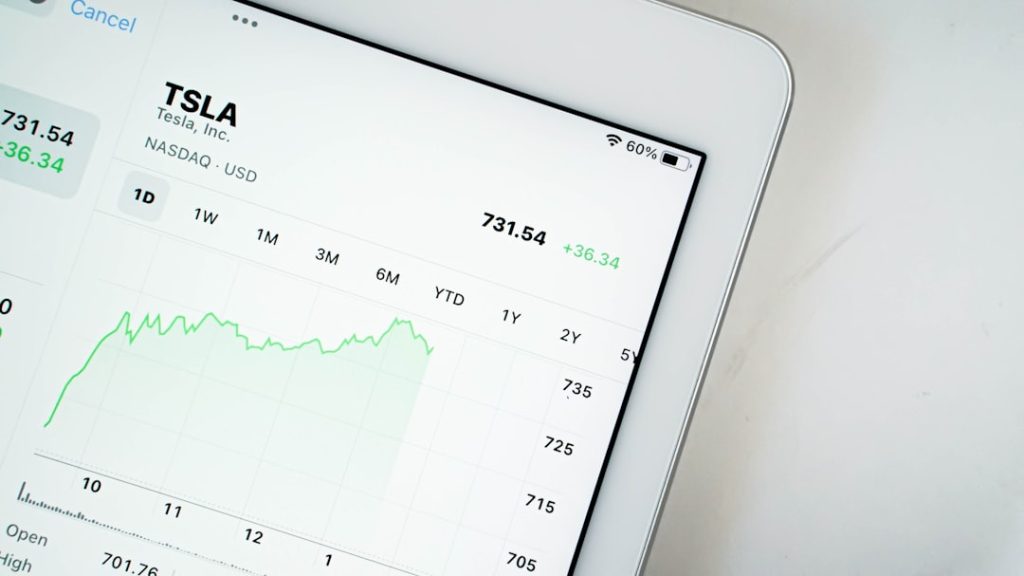
If you’ve followed biotech headlines lately, you’ve seen phrases like “uncertainty on steroids.” Dramatic stock swings. Tariff chatter. Political shifts. They all feed into deal anxiety:
– Buyers worry about overpaying.
– Sellers fear leaving millions on the table.
– Negotiations drag from weeks to months.
A recent report noted that some billion-dollar deals now take three to four months to close—double the usual timeline.
Key Challenges
When markets gyrate, these pain points surface:
1. Valuation Gaps: Daily share-price changes turn an agreed premium into a sticking point.
2. Indecisive Buyers: In a wait-and-see world, due diligence can feel endless.
3. Power Shifts: Cash-rich pharma giants can lowball anxious biotechs.
4. Lost Momentum: Deals die not from strategy failure but from fear of investor backlash.
These hurdles aren’t new. But volatility amplifies them, turning routine M&A into a high-wire act.
Why Data-Driven Insights Matter
From Guesswork to Confidence
Traditional M&A often leans on spreadsheets and expert opinion. But guesswork falters when markets swing 5% or more in a week. You need:
– Real-time analytics to track price shifts.
– Predictive signals to anticipate competitor moves.
– Scenario modelling to stress-test valuations.
This transforms “gut feel” into well-quantified decisions.
AI’s Role
Here’s where AI shines. An AI engine can:
– Ingest thousands of data points—from market indexes to clinical trial outcomes.
– Spot subtle correlations: policy announcements vs. share reactions.
– Flag emerging risks before they derail negotiations.
In short, you get an AI-powered orchestration platform that centralises insights. BrandlaunchX’s AI-driven analytics for strategic decision-making, for instance, can consolidate disparate data into one command centre, so your deal team moves faster and smarter.
Implementing AI-Driven Dealmaking Strategies
It’s one thing to talk about AI; it’s another to embed it into your M&A playbook. Here’s a three-step approach.
1. Real-Time Market Monitoring
Don’t wait for quarterly reports. Set up dashboards that:
– Track biotech ETF fluctuations.
– Monitor news sentiment on key assets.
– Alert on 3%+ share moves overnight.
This continuous feed keeps you nimble. You won’t be surprised by a sudden tariff tweet or a competitor’s pricing strategy.
2. Dynamic Valuation Models
Standard DCF (discounted cash flow) models assume static inputs. Instead:
– Link valuation inputs to live data feeds.
– Automate sensitivity analyses for different market scenarios.
– Use machine learning to refine risk-adjusted discount rates.
Suddenly, you can see instantly how a 10% market dip affects your offer price, then adjust bids in minutes—rather than days.
3. Risk Mitigation Protocols
AI can’t eliminate risk, but it can quantify it. For example:
– Identify assets with volatile clinical-stage data.
– Quantify litigation or regulatory risks by scanning patent filings and FDA statements.
– Recommend deal structures—earn-outs or milestone payments—that share risk.
This approach ensures both parties feel fair and protected, speeding up agreements.
Midway through a complex negotiation? Ramp up your precision. Discover biotech dealmaking strategies with BrandlaunchX’s AI-driven analytics
Case Study: Streamlining a Commercial Launch
Imagine a mid-sized biotech, NeoCure, with a promising cancer therapy. They faced:
– A tight timeline for European market entry.
– Doubts over peak sales forecasts amid volatile COVID-era markets.
– Finance teams unsure about licensing partner valuations.
By integrating BrandlaunchX’s AI orchestration platform, NeoCure:
– Cut forecasting errors by 20%.
– Accelerated partner valuation by automating market comparators.
– Closed their licensing deal 30% faster than projected.
Result: therapy launched on schedule, first-wave sales beat expectations, and leadership earned stakeholder praise.
Best Practices for Confident Biotech M&A
Cross-Functional Collaboration
AI insights are only as good as the people using them. Break down silos:
– Involve R&D, finance, legal and commercial teams early.
– Host rapid “data sprints” where each unit reviews AI-generated scenarios.
– Make decisions in real time—no more waiting weeks for feedback loops.
Continuous Learning
Markets evolve. So should your models. Commit to:
– Monthly reviews of AI performance.
– Refining data sources—add social media tracking, analyst reports, or supply-chain metrics.
– Training sessions for deal teams on new features.
This isn’t a “set and forget” tool. It’s a living system that learns with every deal.
Bringing It All Together
Navigating biotech M&A in choppy waters isn’t about luck. It’s about harnessing data and AI to build confidence—and accelerate deals. With BrandlaunchX’s AI orchestration platform, you get:
– A consolidated command centre for market and trial data.
– Automated valuation and risk models.
– Faster, more accurate deal execution.
Don’t let volatility stall your growth. Start transforming biotech dealmaking strategies today with BrandlaunchX: Bridging Science and Market Success for Life-Saving Therapies
Share
Related posts