Why Growth Optimization AI is Your Biotech Launch Rocket
Organic and inorganic growth—two paths that biotech firms navigate to reach market success. Organic growth means building momentum step by step: hiring sales reps, crafting marketing campaigns, nurturing relationships with key opinion leaders. Inorganic growth uses acquisitions, partnerships or licensing to accelerate reach. Both roads are fraught with silos, delays and budgets that spiral out of control. But there’s a better way.
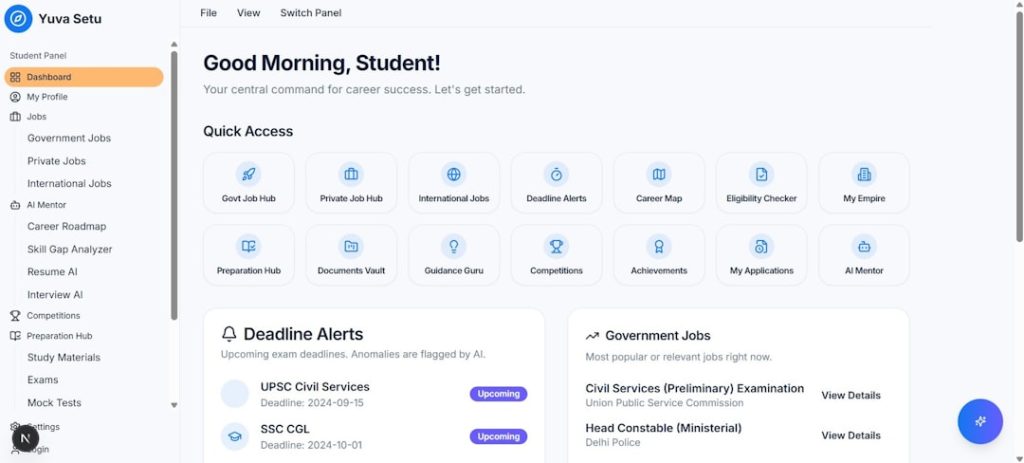
Enter growth optimization AI. Imagine a central command centre that orchestrates every launch task—clinical trial analytics, regulatory timelines, marketing collateral rollout—all in one dashboard. That’s exactly what the BrandlaunchX AI orchestration platform delivers. By intelligently managing and automating these activities, you cut launch cycles by 25%, boost first-wave revenue by 15% and save up to 30% on costs. Ready to see growth optimization AI in action? BrandlaunchX: Bridging Science and Market Success for Life-Saving Therapies with growth optimization AI
Understanding Organic and Inorganic Growth in Biotech
Biotech companies often debate: should we expand our own teams and campaigns (organic), or should we partner, merge or acquire capabilities (inorganic)? There’s no one-size-fits-all. Yet understanding the pros and cons is critical.
Organic Growth
Organic growth relies on internal resources. You:
- Recruit specialised sales and medical affairs teams
- Develop in-house marketing campaigns
- Build customer relationships over time
Pros: You retain control over messaging and culture. Cons: It’s slow. Every hire, every campaign, every approval adds weeks or months. Traditional planning tools struggle to harmonise efforts across R&D, regulatory and commercial teams.
Inorganic Growth
Inorganic growth involves external deals:
- Licensing a promising molecule
- Acquiring a smaller biotech with complementary tech
- Forming strategic alliances for distribution
Pros: You gain capabilities and market access quickly. Cons: Integration complexity. Two cultures, different CRM systems, mismatched processes. The risk of misalignment is high, and transactional costs can blow budgets.
The Commercialisation Chasm: Why Most Biotechs Stall
Nearly 80% of biotech startups fail to meet revenue expectations. It’s not the science—they’ve got that. It’s the handoff from bench to boardroom. Common pitfalls include:
- Disconnected timelines between clinical data readouts and marketing launch
- Manual spreadsheets for forecasting revenues and budgets
- Delayed regulatory submissions due to siloed documentation
Consulting firms like Medidata, Parexel and IQVIA offer analytics and support, but often at a steep price and with fragmented solutions. You end up toggling between dashboards. The data governance and version control nightmares persist.
How AI Orchestration Bridges the Commercialisation Chasm
AI orchestration platforms like BrandlaunchX tackle both organic and inorganic growth head-on by integrating data, workflows and analytics into one unified solution.
Streamlining Organic Growth with AI
- Centralised planning: Build a single master roadmap for clinical, regulatory and commercial milestones.
- Automated alerts: Get real-time notifications when a trial completes or when a marketing asset is ready for review.
- Predictive insights: Use machine learning to forecast revenue curves based on trial outcomes and market uptake.
This isn’t buzzword bingo. It’s growth optimization AI at work—helping you roll out campaigns the moment data pops, without waiting for manual sign-offs.
Enhancing Inorganic Growth with AI
- Due-diligence analytics: Quickly assess a potential licensing deal by feeding historical data into an AI model that highlights red flags.
- Post-merger integration tracker: Align teams, budgets and workflows across organisations with automated task assignments.
- Cultural synergy scoring: Gauge integration risks by analysing communication patterns and employee surveys.
With AI-driven orchestration, you avoid the usual M&A mess. You get a clear, actionable path from deal signing to market launch.
Real-World Impact: Metrics and Success Stories
Consider a mid-sized biotech seeking to licence a novel antibody. Traditional methods took nine months to integrate teams and begin co-marketing efforts. With BrandlaunchX’s AI orchestration:
- Integration timelines dropped to five months
- First-wave revenue increased by 20%
- Launch costs were slashed by 28%
Or take a small pharma planning an organic expansion. They cut their campaign rollout time by 30% and hit revenue forecasts three weeks early. These aren’t isolated examples; they’re the new normal when you apply growth optimization AI to every step.
Around halfway through any launch journey is the critical inflection point. It’s where data silos usually swarm. But you don’t have to accept that. Explore how growth optimization AI drives faster launches
Choosing the Right Path: Organic, Inorganic or Hybrid?
In many cases, a hybrid approach wins. You might:
- Organically build a marketing team in key regions
- Inorganically partner for distribution in emerging markets
Growth optimization AI supports both strategies in parallel. Your central command centre adapts:
- Budgets shift dynamically between teams and partners
- AI continuously re-optimises resource allocation
- Scenario modelling shows you the fastest path to break-even
Whether you lean on organic muscle or inorganic speed, the same AI engine keeps everything in sync.
Getting Started with BrandlaunchX AI Platform
Implementing an orchestration platform can sound daunting, but BrandlaunchX has a simple three-step process:
- Discovery & Onboarding
We map your current processes and integrate your data sources—CRM, eTMF, ERP—into the central platform. - Workflow Configuration
Customise AI-powered workflows for your specific organic and inorganic tactics—partner engagement, campaign rollouts, trial completions. - Training & Support
Your teams get hands-on training with a user-friendly interface. We offer on-demand expertise to smooth any bumps.
And remember: you’re supported by analytics that learn and adapt over time, ensuring continuous optimisation.
Tips for a Winning Hybrid Growth Strategy
- Start with data hygiene: Clean your datasets before feeding them into AI models.
- Establish clear KPIs for both organic and inorganic initiatives.
- Use predictive insights to stress-test budgets and timelines.
- Engage cross-functional teams early—AI orchestration thrives on collaboration.
- Conduct quarterly reviews to adjust workflows based on real-world performance.
With these steps, you’ll see why top biotechs prioritise growth optimization AI as a core capability.
Testimonials
“Partnering with BrandlaunchX was a revelation. We launched our oncology therapy 28% faster and stayed on budget despite complex global trials. Their AI orchestration platform kept everyone aligned.”
— Dr Emma Hughes, Chief Commercial Officer
“Before BrandlaunchX, we juggled five spreadsheets and three consulting agreements. Now, everything lives in one dashboard. We closed a licensing deal and went live in under six months.”
— Raj Patel, Head of Business Development
“Growth has never felt so predictable. BrandlaunchX’s AI-driven analytics gave us confidence to go big on our hybrid launch strategy. We saw 15% more revenue in wave one than forecast.”
— Silvia Moreno, VP of Global Marketing
Conclusion
Biotech launches don’t have to be a gamble. Whether you choose organic, inorganic or a blend, growth optimization AI aligns your teams, data and decisions. It’s the compass that guides you through complex integrations and market uncertainties—so you hit your timelines, budgets and revenue targets.
Ready to harness growth optimization AI for your next biotech launch? Start your free trial of growth optimization AI today
Share
Related posts